

RAM chip manufacturer SK Hynix says its memory is sold out through 2029, and memory prices nearly doubled in a single quarter this year. So why don’t memory makers just build more factories? Alex from Speedify explains the machine at the center of the RAM crisis: ASML’s EUV lithography systems, which cost up to $430 million, weigh about 150 … Read More
Speedify 17.3: Faster Internet Speeds on Every Platform
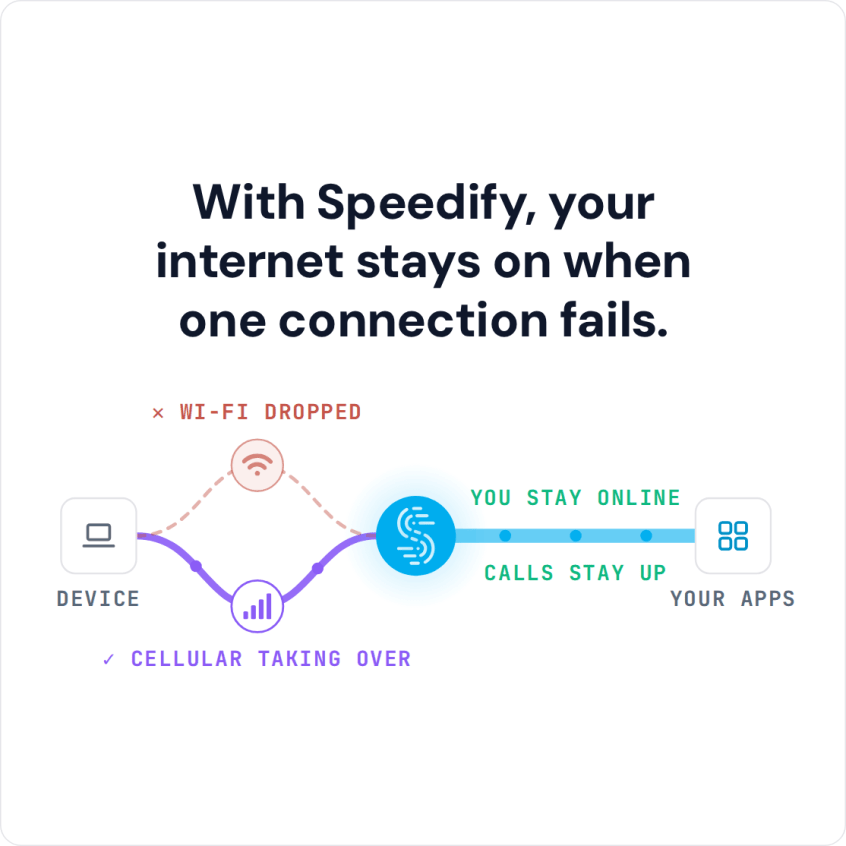
Speedify 17.3 Makes Speedify Faster Speedify 17.3 is mostly a speed release. Speedify moves data faster, uses less processing power in Redundant mode, and fixes a set of problems in Pair & Share, on Mac and on iPhone. Speedify 17.3 also makes Bypass rules for ports cover all traffic on those ports by default, gives Google Meet calls streaming priority … Read More
Watch Now: How 1500 Flights Are Hijacked by GPS Spoofing Every Day
Your GPS doesn’t actually know where you are. GPS navigation knows which signal is loudest, and that’s the opening someone can exploit… even on aircraft. Alex from Speedify explains how GPS works on planes 20,000 kilometers up, why the signal reaching your phone is so faint it sits below the noise floor, and why a delay of a single millisecond … Read More
Watch Now: Can AI save PHP?

A PHP software bug sat in the code behind 70% of the websites on the internet for 14 years because every person who looked at the software bug called the flaw too hard to exploit. Alex from Speedify breaks down why PHP, a 1994 personal home page project that critics have called a hack from the start, still holds up … Read More
Robot Connectivity Loss: What a Robot Should Do When Every Network Connection Is Gone
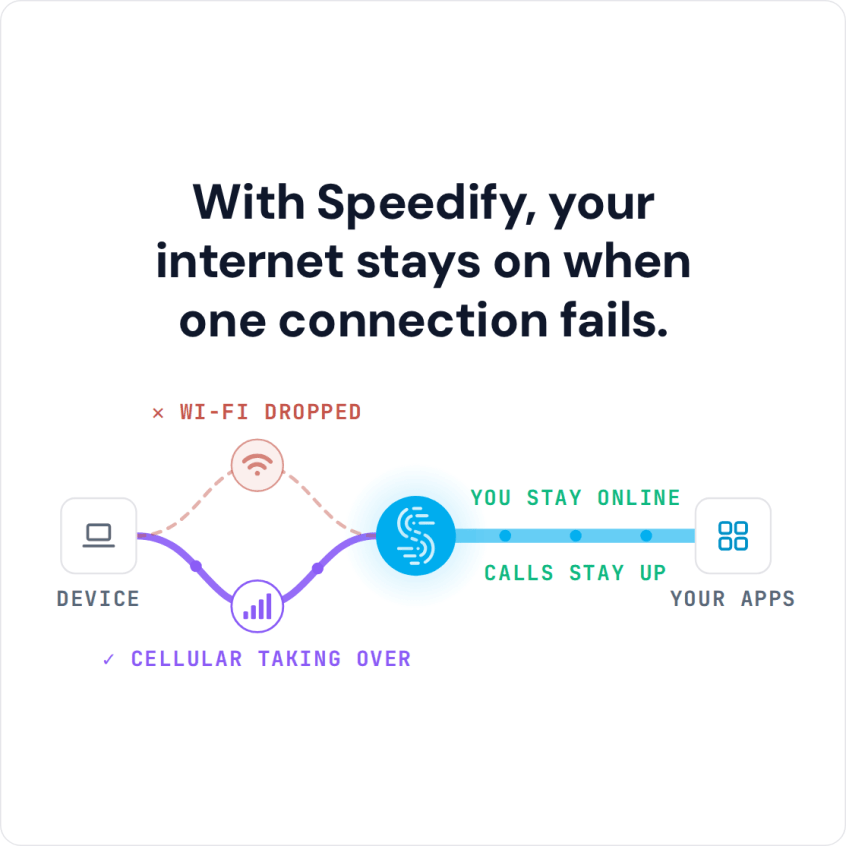
Planning Robot Behavior for the Moment Every Internet Connection Is Gone Robot connectivity loss needs a defined behavior on the robot, because detection is slow and one-sided. The robot sees an internet connection drop locally. A fleet manager on MQTT with a 60-second keepalive waits through 90 seconds of silence before marking the robot gone. More internet connections make a … Read More
Robot Software Over Cellular: Plan Discovery, NAT and Sessions Before Leaving the Local Network
Why Robot Software Built for One Network Struggles Across Cellular Robot software over cellular breaks three assumptions from the lab at once. Multicast discovery stops at the first router. Carrier-grade NAT lets a robot open connections out but blocks every connection in. And a change of network gives the robot a new IP address, which resets every open TCP session … Read More