
A Buyer’s Checklist for Networking Software on Robots Networking software for robots has to be measured on the robot, with the robot’s real workload running. The software shares the onboard computer with perception, planning and logging. Five measurements decide whether a package fits. The five are CPU and memory under load, behavior when an internet connection breaks, routing control, management … Read More
Robot Fleet Connectivity: Fleet Data Still Has to Cross a Radio
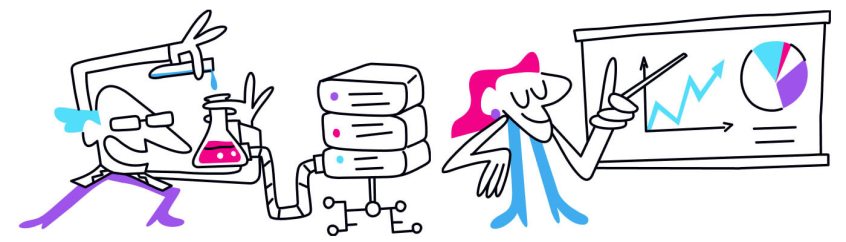
Why Robot Fleet Connectivity Matters as Much as Autonomy Robot fleet connectivity decides whether data leaving a robot arrives on time. Every change of network path costs measurable time. A Wi-Fi re-authentication on an 802.1X network can take hundreds of milliseconds. A TCP upload can sit idle for seconds after the internet connection returns. An MQTT broker with a 60-second … Read More
Watch Now: Why Did SpaceX’s Starshield Crash Every Drone over 100mph?

Last week Ukraine’s military satellite terminals stopped working on anything moving faster than 100 miles an hour, but the outage wasn’t Starlink. Alex from Speedify explains why it was actually Starshield, the separate SpaceX constellation built for the US military, and why that distinction decides who controls the switch. He also gets into the part almost nobody noticed: ordinary Starlink … Read More
Starlink Internet for Mining Operations and Tractors: Why Moving Dishes Drop Out More
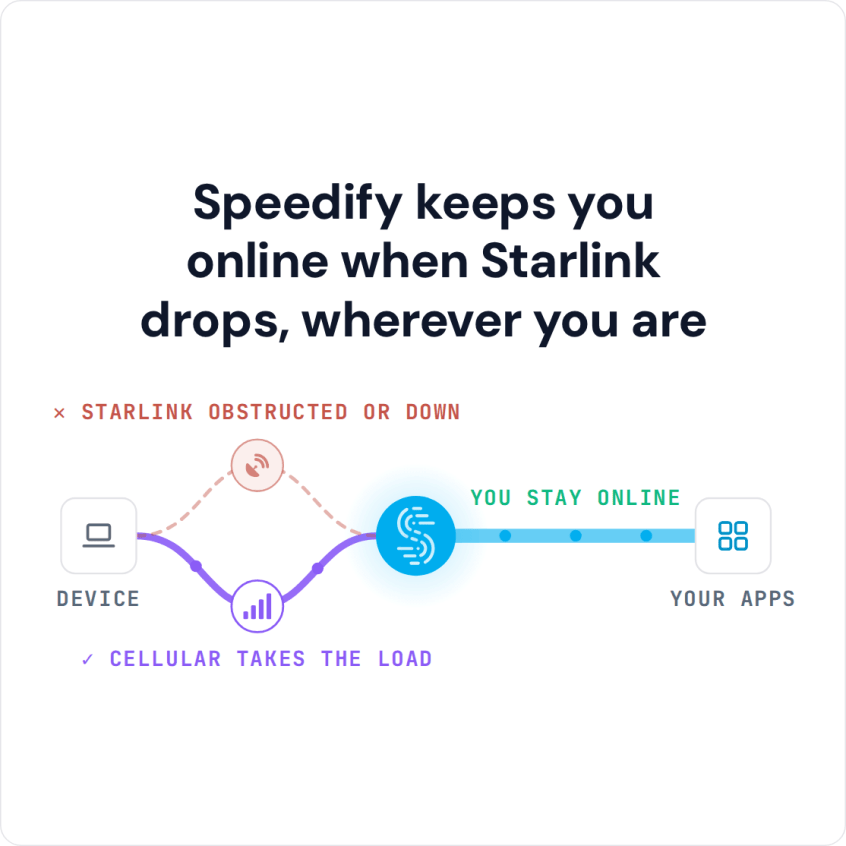
What Speedify Starlink Index Data Shows About Starlink on Moving Machines Starlink on a tractor or a mining machine works, and the Speedify Starlink Index shows what working on the move costs. From 29 September to 12 October 2026, mobile Starlink dishes on RVs, boats and portable rigs were offline about 61 minutes a day. Fixed dishes on roofs, poles … Read More
Drone-in-a-Box Connectivity: Telemetry Over Cellular Now, Imagery Over Base Wi-Fi Later
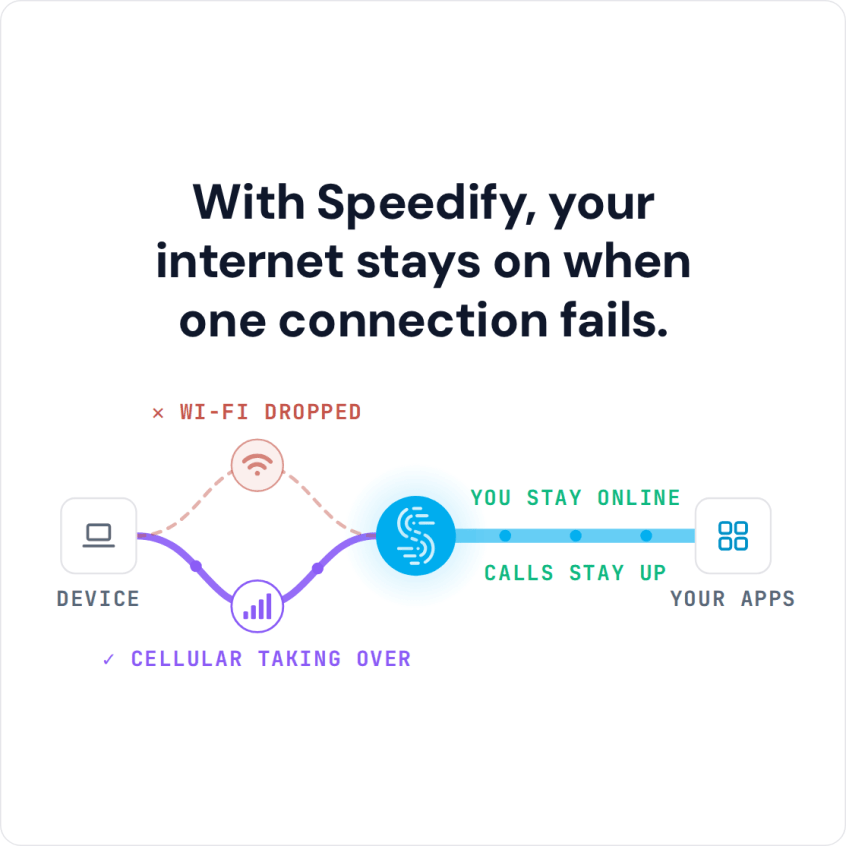
Two Drone Data Streams With Different Connectivity Needs Drone-in-a-box connectivity splits into two kinds of data that share almost nothing. Telemetry from the autopilot (position, attitude, battery, radio status) runs at a few kilobytes per second. Telemetry goes stale within seconds and needs a live cellular connection during the flight. Imagery from the camera runs to gigabytes per flight, often … Read More
Cómo Ver la Copa América 2028 desde México: Fechas, Sede y Cómo Speedify Evita los Cortes
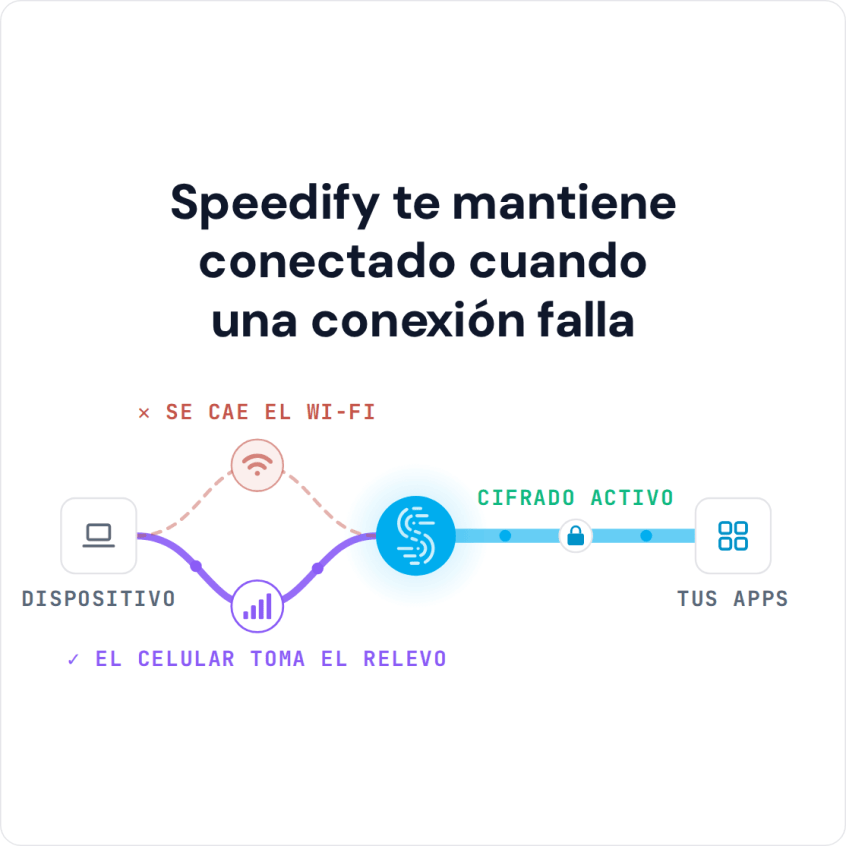
Ve la Copa América 2028 desde México Sin Cortes, con Speedify La Copa América 2028 se jugará a mediados de 2028, entre junio y julio, pero en octubre de 2026 CONMEBOL todavía no confirma la sede ni las fechas. Los reportes apuntan a Estados Unidos como sede y a un torneo de 16 selecciones: las 10 de CONMEBOL y 6 … Read More