

How VPNs Affect Internet Speed
A VPN that has one internet connection to work with will cost you a little speed, because encrypting your traffic and routing that traffic through an extra server both take time. Uploads and downloads only get faster when the VPN has more than one internet connection to draw on.
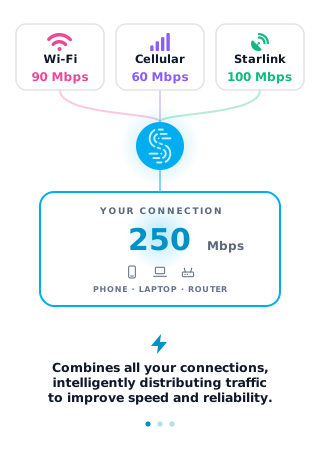
Speedify is that kind of app: your traffic is encrypted and sent over Wi-Fi, 4G/5G cellular data, wired Ethernet, Starlink and other internet connections at once, so the upload speed of each one adds up.
The pages ahead cover when a VPN helps speed, when a VPN hurts speed, and how much you gain by running Speedify instead.
Speedify is a VPN that adds failover and faster uploads and downloads
Why VPNs Usually Make Your Internet Slower
1. Encryption Overhead
The primary reason VPNs slow down internet speeds is the computational cost of encryption and decryption. Every piece of data must be encrypted before leaving your device and decrypted at the VPN server, creating additional processing time. This encryption overhead can reduce speeds by 10-50% depending on the protocol used and your device’s capabilities.
2. Server Distance and Routing
When you connect to a VPN server, your internet traffic takes a longer route to reach its destination. Instead of connecting directly to websites, your data travels to the VPN server first, then to the target site. This extended path increases latency and can significantly impact browsing speeds, especially for real-time applications like gaming or video calls.
3. Server Congestion
Popular VPN servers often become overcrowded, particularly during peak usage hours. When hundreds or thousands of users share the same server resources, bandwidth gets divided among all connected users. This congestion creates bottlenecks that dramatically reduce connection speeds for everyone on that server.
4. ISP Network Limitations and Throttling
A VPN cannot perform miracles if your underlying internet connection is weak or unstable. Plus, some internet service providers actively throttle or deprioritize VPN traffic. They can detect encrypted traffic patterns and intentionally slow down these connections.
5. Suboptimal VPN Protocol Selection
Using outdated or inappropriate VPN protocols can significantly impact performance. Legacy protocols like PPTP or poorly configured OpenVPN connections create unnecessary overhead, while modern protocols like WireGuard offer better speed-to-security ratios.
How to Make Your VPN Faster
First thing – make sure your VPN doesn’t make your internet slower. Here are some steps for that:
1. Choose Servers Closer to You
Select VPN servers that are geographically closer to your location and have lower user loads. Many VPN providers display server load percentages in their apps. Aim for servers with less than 50% capacity and minimal distance from your physical location to optimize performance.
2. Experiment with Different Protocols
Switch between available VPN protocols to find the fastest option for your setup. For conventional VPNs, WireGuard typically offers the best performance, followed by IKEv2 and modern OpenVPN implementations. Test each protocol during different times of day to account for varying network conditions.
3. Optimize Your Device Settings
Close unnecessary applications that consume bandwidth and processing power. Disable features like automatic updates, cloud syncing, and background app refresh while using your VPN. These optimizations free up resources for VPN processing and improve overall performance.
4. Split Tunneling Configuration
Use split tunneling to route only specific traffic through the VPN while allowing other applications to use your direct internet connection. This reduces the load on your VPN connection and can improve speeds for applications that don’t require VPN protection.
5. Upgrade Your Internet Plan
If your base internet speed is already slow, a VPN will only amplify the issue. Test your connection speed without the VPN active, and consider upgrading your internet plan if speeds are consistently below your needs.
BONUS: Get a VPN that combines multiple internet connections at the same time, like Speedify.
When Will a VPN Make Your Internet Connection Faster?
A VPN can make your connection faster in specific situations. Here’s how:
- Bypasses ISP Throttling: If your ISP is limiting your speed on specific services (like Netflix, YouTube, or gaming), a VPN can hide that traffic and prevent throttling.
- Improves Routing Efficiency: Some VPNs offer better routing than your ISP, which means your data travels a more direct path—resulting in faster speeds.
- Reduces Packet Loss: High-quality VPNs can stabilize your connection by reducing packet loss and jitter, especially useful for video calls and gaming.
- Uses all available connections at once: Wi-Fi and 4G / 5G cellular data for mobile devices, along with Starlink, DSL and others for computers and routers – bonding VPNs will actually speed up your internet by aggregating the bandwidth of bonded connections.
But not all VPNs are created equal. If you’re serious about improving internet speed and stability, you need a bonding VPN built specifically for performance, like Speedify.
Introducing Speedify: a VPN That Makes Your Connection Faster and More Reliable
Unlike traditional VPNs that reroute traffic through a single server, Speedify uses a unique approach called channel bonding. It doesn’t just encrypt your data; it boosts your internet connection by combining multiple networks simultaneously.
Here’s how Speedify VPN improves internet speed and reliability:
- Combines all available connections at once: Wi-Fi, 4G / 5G mobile data, Starlink, DLS, and more into one fast connection
- Detects and bypasses slow or congested paths in real time
- Automatically avoids packet loss, lag, and disconnections
- Secures your data with strong encryption without sacrificing speed
- Protects against ISP throttling by masking your traffic.


Whether you’re working remotely, streaming video, or gaming online, Speedify VPN gives you a noticeable performance boost, especially in areas with unstable or limited connectivity.
While traditional VPNs typically slow down internet connections due to encryption overhead and routing inefficiencies, the right approach can minimize these impacts. Through strategic server selection, protocol optimization, and advanced solutions like Speedify’s channel bonding technology, users can enjoy both security and speed without compromise.
Speedify
Get started with Speedify today.
Combine Wi-Fi, 4G/5G cellular, Ethernet, Starlink, and more into one faster, steadier connection. Free to try — no credit card required.
🚀 Speed
Faster uploads and downloads by bonding all your connections at once.
📶 Stability
Automatic failover in under a second when any connection drops.
🔒 Security
AES-256 encryption on every connection, on every network you join.


15M+ downloads worldwide. 75K+ five-star reviews on iOS and Android.