
Planning Robot Behavior for the Moment Every Internet Connection Is Gone Robot connectivity loss needs a defined behavior on the robot, because detection is slow and one-sided. The robot sees an internet connection drop locally. A fleet manager on MQTT with a 60-second keepalive waits through 90 seconds of silence before marking the robot gone. More internet connections make a … Read More
Robot Software Over Cellular: Plan Discovery, NAT and Sessions Before Leaving the Local Network
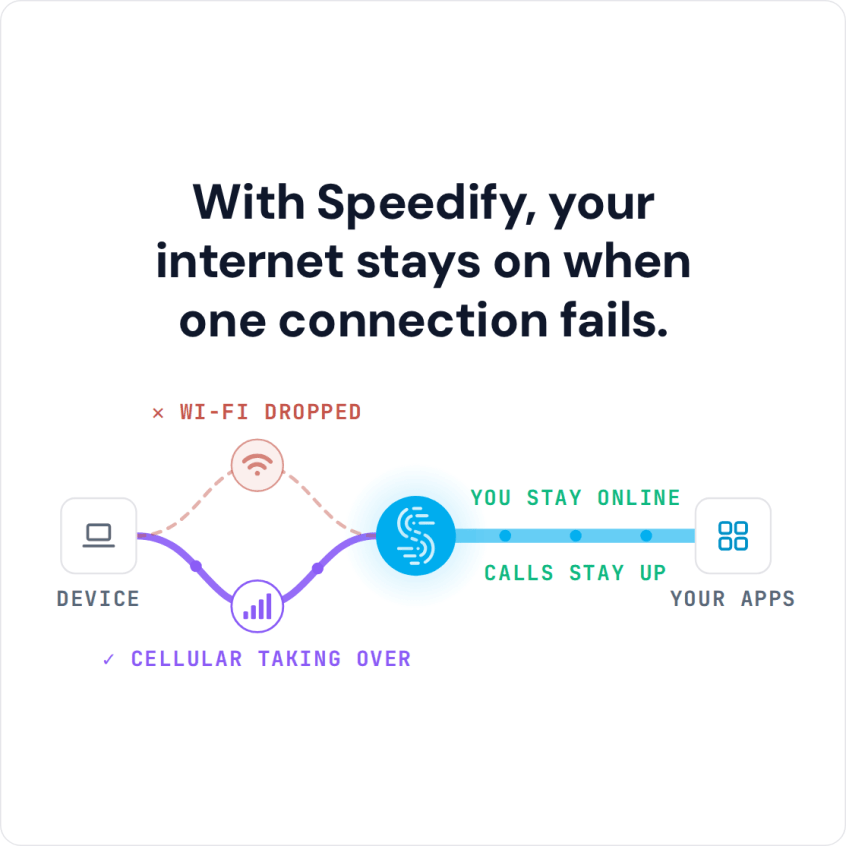
Why Robot Software Built for One Network Struggles Across Cellular Robot software over cellular breaks three assumptions from the lab at once. Multicast discovery stops at the first router. Carrier-grade NAT lets a robot open connections out but blocks every connection in. And a change of network gives the robot a new IP address, which resets every open TCP session … Read More
Robot Fleet Connectivity: Fleet Data Still Has to Cross a Radio

Why Robot Fleet Connectivity Matters as Much as Autonomy Robot fleet connectivity decides whether data leaving a robot arrives on time. Every change of network path costs measurable time. A Wi-Fi re-authentication on an 802.1X network can take hundreds of milliseconds. A TCP upload can sit idle for seconds after the internet connection returns. An MQTT broker with a 60-second … Read More
Starlink Internet for Mining Operations and Tractors: Why Moving Dishes Drop Out More
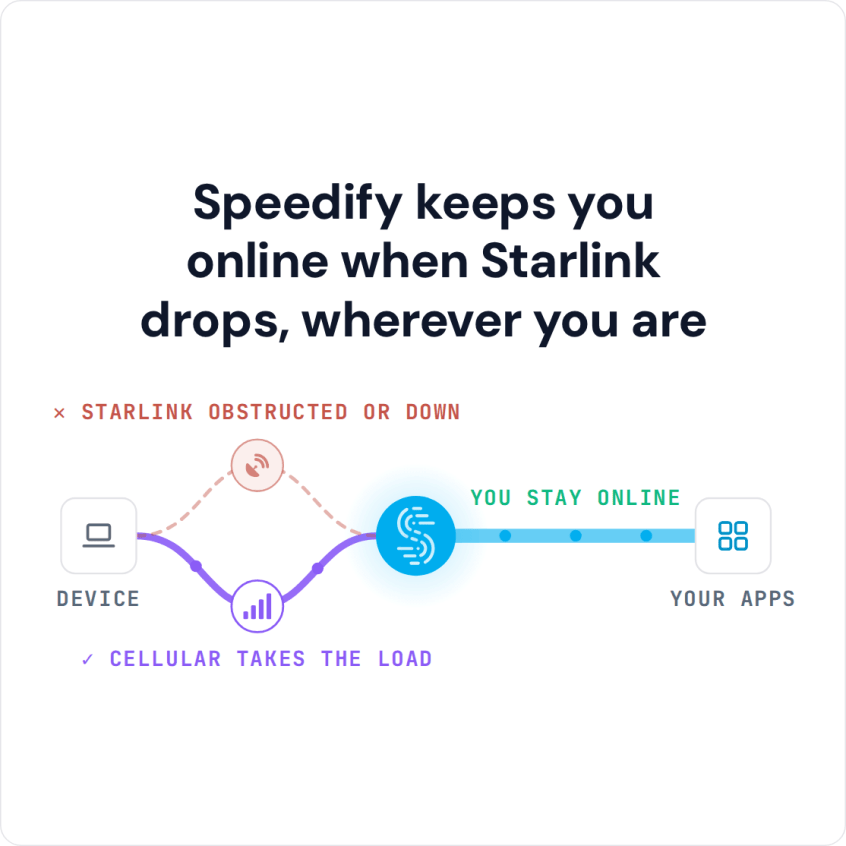
What Speedify Starlink Index Data Shows About Starlink on Moving Machines Starlink on a tractor or a mining machine works, and the Speedify Starlink Index shows what working on the move costs. From 29 September to 12 October 2026, mobile Starlink dishes on RVs, boats and portable rigs were offline about 61 minutes a day. Fixed dishes on roofs, poles … Read More
Drone-in-a-Box Connectivity: Telemetry Over Cellular Now, Imagery Over Base Wi-Fi Later
Two Drone Data Streams With Different Connectivity Needs Drone-in-a-box connectivity splits into two kinds of data that share almost nothing. Telemetry from the autopilot (position, attitude, battery, radio status) runs at a few kilobytes per second. Telemetry goes stale within seconds and needs a live cellular connection during the flight. Imagery from the camera runs to gigabytes per flight, often … Read More
Robot Teleoperation Latency: Combining Networks Adds a Hop That Pays Off During Handovers
Where Delivery Robot Teleoperation Latency Comes From Robot teleoperation latency on a stable internet connection comes mostly from the camera and the video pipeline, not the network. Transitive Robotics measured about 170 ms glass to glass over remote WebRTC. About 100 ms of the total sat in the camera and the USB bus. On cellular, the bigger problem is handovers … Read More