
Speedify Uses Wi-Fi, 4G, 5G, Starlink, and Wired Broadband at Once on Mac for Faster Download and Upload Speeds
Want faster upload and download speeds and more reliable internet on your Mac? Run several internet connections, such as Wi-Fi, Ethernet, 4G/5G cellular and Starlink, at the same time.
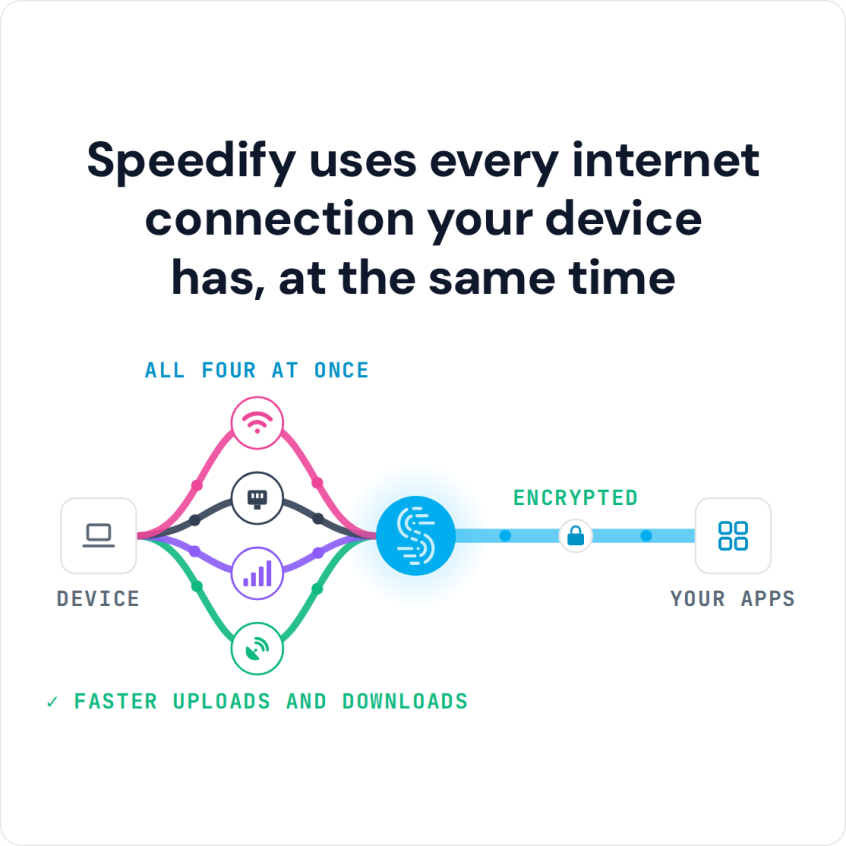
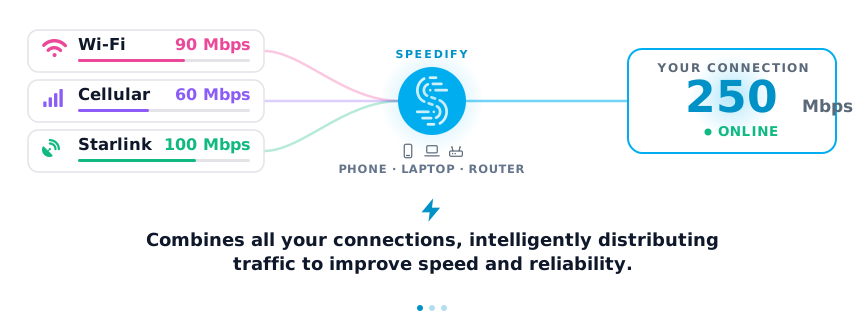
Speedify is an app that does link aggregation on a Mac for any type of internet connection: it combines two or more connections at once, such as Wi-Fi and 4G/5G cellular, and encrypts your traffic like a VPN.
Speedify uses every internet connection your device has, at the same time
How do I use WiFi and 4G/5G cellular at the same time with Speedify?
Pick your two internet connections and your device below and we'll take you to the step-by-step setup guide.


Benefits of Combining Multiple Internet Connections on a Mac
Using two or more internet connections on a Mac at the same time gives you four advantages:
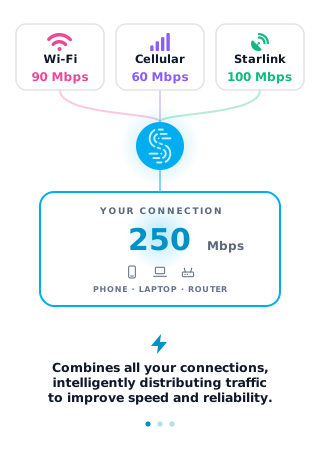
- Increased Bandwidth: Combined connections give you the download and upload bandwidth of all of them together, which helps with large downloads, uploads and video calls.
- Enhanced Reliability: If one internet connection fails, Speedify moves its traffic to the connections that are still up (failover), so calls and downloads keep going.
- Optimized Performance: Speedify measures each connection and sends more traffic over the ones performing best at that moment.
Improved Security: Speedify encrypts your traffic like a VPN, which helps safeguard data on every connection, including public Wi-Fi.
Options to Combine Multiple Internet Sources on Mac
There are two ways to combine internet connections on a Mac:
1. Native macOS Link Aggregation
macOS supports link aggregation, which combines two or more Ethernet ports into a single logical connection to one network. The setup adds bandwidth inside a local network; it does not combine internet connections from different providers. To configure link aggregation:
- Navigate to System Settings > Network.
- Click the Action menu and select Manage Virtual Interfaces.
- Click the Add button and choose New Link Aggregate.
- Select the Ethernet interfaces to aggregate and assign a name.
- Click Create and then Done.
Note: This method is limited to Ethernet connections and does not support combining Wi-Fi or cellular networks.
2. Speedify: Combine Wi-Fi, Ethernet, 4G/5G Cellular and Starlink on a Mac
For Wi-Fi, Ethernet, 4G/5G cellular, Starlink and satellite internet connections, use Speedify. Speedify combines multiple internet connections into one faster, more reliable connection, and works with any mix of connections your Mac can see.
To set up Speedify on macOS:
- Download and install Speedify.
- Connect your Mac to the desired internet sources (e.g., Wi-Fi, Ethernet, 4G/5G).
- Launch Speedify; it will automatically detect and aggregate the active connections.
- Monitor and manage connections via the Speedify dashboard.
Speedify also has a cellular sharing feature that lets nearby phones running Speedify share their 4G/5G cellular connection with your Mac over Wi-Fi.
Speedify needs macOS 11.5 or later. To join two Wi-Fi networks at once, a Mac needs a second Wi-Fi adapter, and USB Wi-Fi adapters work only on Intel Macs running macOS 11 Big Sur. On a newer Mac, add the second internet connection with Ethernet, a USB-tethered iPhone or cellular sharing.
Best Practices for Multi-Connection Networking on Mac
To maximize the benefits of combining multiple internet connections:
- Use Distinct Network Paths: Ensure that the connections originate from different network sources to prevent single points of failure.
- Monitor Connection Health: Regularly check the status of each connection to identify and address potential issues promptly.
- Configure Quality of Service (QoS): Prioritize critical applications to ensure optimal performance during high-traffic periods.
Maintain Security Protocols: Speedify already encrypts your traffic on every connection, including public Wi-Fi, so there is no need to add a separate VPN for encryption.
Which Mac Link Aggregation Option to Choose
Use macOS link aggregation if you only need more bandwidth between Ethernet ports on a local network. To combine Wi-Fi, Ethernet, 4G/5G cellular and Starlink internet connections for faster downloads and uploads and failover, use Speedify.
Speedify
Get started with Speedify today.
Speedify combines Wi-Fi, 4G/5G cellular, Ethernet, Starlink and satellite into one faster, more reliable internet connection. Free to try: 5 GB a month with a free account. No credit card required.
🚀 Speed
Faster uploads and downloads, because Speedify uses all your internet connections at once.
📶 Stability
If one internet connection drops, Speedify moves your traffic to the others in milliseconds.
🔒 Security
AES-256 encryption on every internet connection, on any network you join.


15M+ downloads worldwide. 75K+ five-star reviews on iOS and Android.