
Full bars but slow data, even on unlimited? That’s data deprioritization. See how carrier priority works, why MVNOs slow down first, and the real ways to fix it.
FIPS 140-2 Compliant VPN on Standard Linux Hardware with Speedify
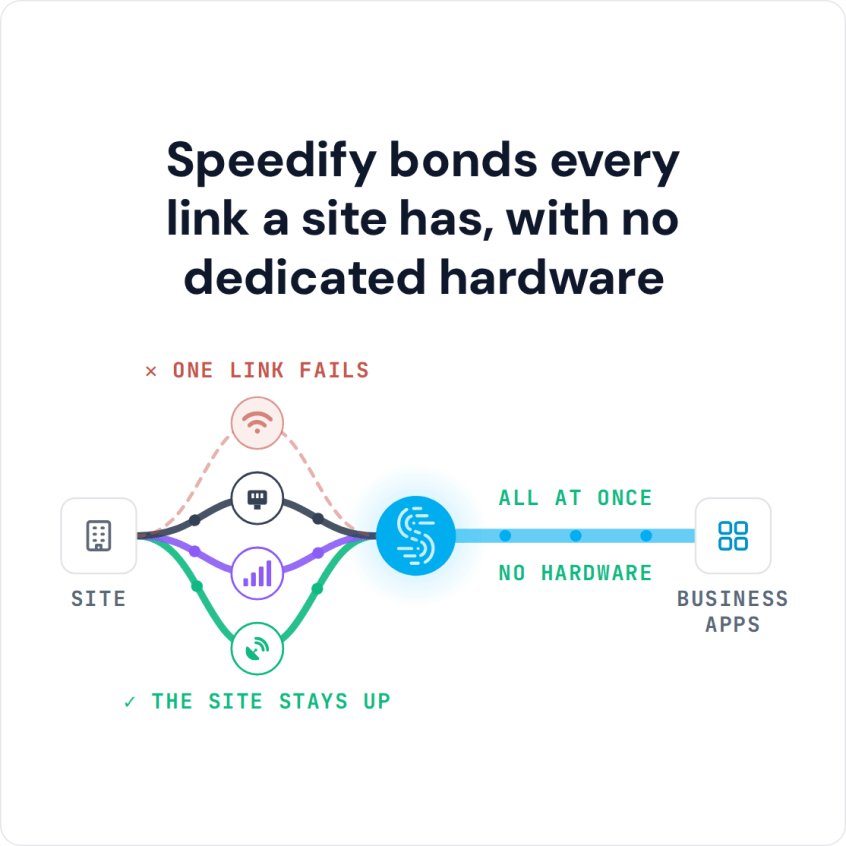
A FIPS 140-2 Compliant VPN That Runs on Your Own Hardware A FIPS 140-2 compliant VPN usually arrives as an appliance, which ties the compliance story to one vendor’s supply chain. Speedify combines multiple internet connections in software instead, so a deployment runs on hardware your organization already owns or can source for itself. The open question is the encryption: … Read More
FIPS Compliance for Contractors: What Speedify Provides
FIPS Compliance for Government Contractors: What to Check First Satcom companies, government contractors, federal agencies and any business handling Controlled Unclassified Information face the same hard requirement: the cryptographic module protecting data in transit has to be validated. Speedify does not publish a FIPS 140-3 certificate for its own encryption, which uses Google’s BoringSSL library, so confirm the validation status … Read More
Speedify Self-Hosted Bonding Servers vs. Self-Hosted VPN Servers: The Difference Explained
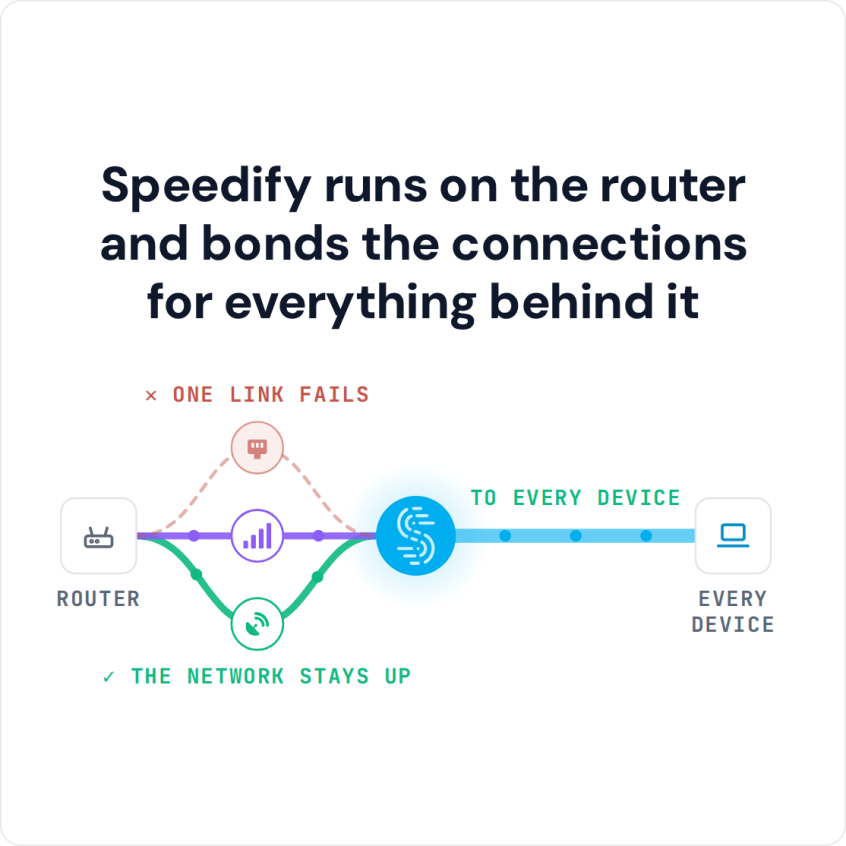
Get a Speedify Self-Hosted Server for Faster Upload and Download Speeds A Speedify Self-Hosted Server is a bonding server you run on your own cloud or hardware: the endpoint that reassembles the traffic Speedify splits across your internet connections, so your combined connection exits through infrastructure you control. Speedify is software that combines two or more internet connections at once … Read More
Speedify Self-Hosted Server Explained: Requirements, Setup and When to Self-Host
Get a Speedify Self-Hosted Server for Faster Upload and Download Speeds A Speedify Self-Hosted Server is the Speedify server software running on a cloud instance or hardware you control, so the internet connections Speedify combines exit through your own infrastructure instead of Speedify’s shared servers. Speedify is an app that combines Wi-Fi, 4G/5G cellular, Ethernet, Starlink and satellite internet connections … Read More
What Is a Personal Hotspot: How a Phone Shares 4G/5G Cellular, and How Speedify Combines Hotspots
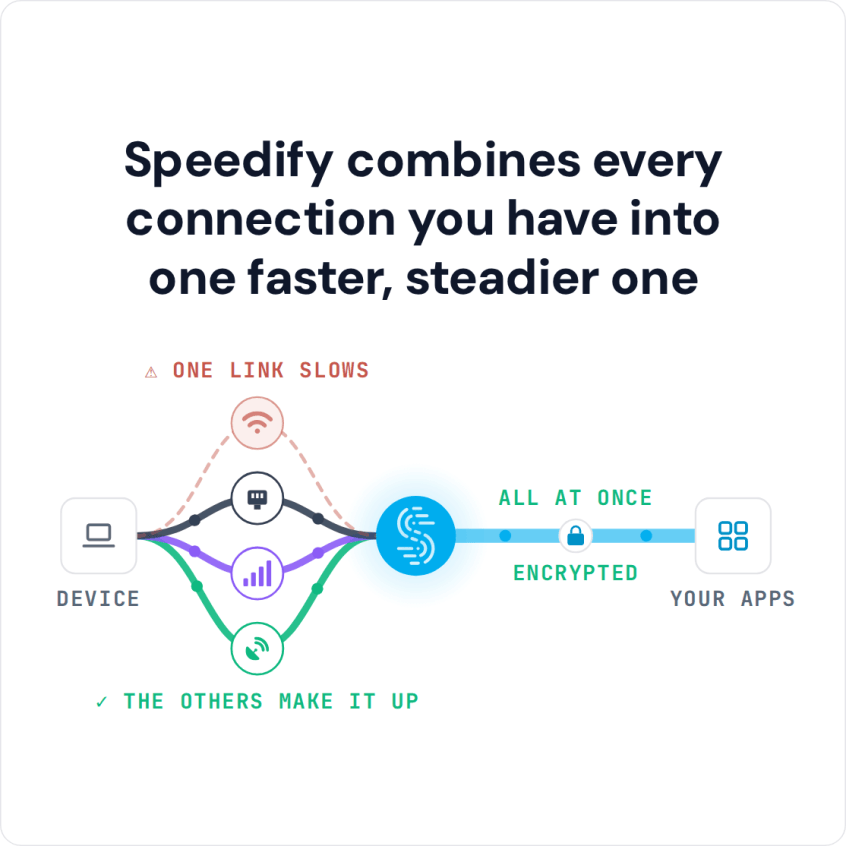
A Personal Hotspot Shares Your Phone’s 4G/5G Cellular Connection with Other Devices Over Wi-Fi A personal hotspot is a feature built into smartphones that lets you share your phone’s 4G/5G cellular connection with other devices such as laptops, tablets and other phones, over Wi-Fi, USB or Bluetooth. Your phone acts as a portable wireless router, turning its cellular link to … Read More